
Agentic Asset Intelligence
Visibility shows you what's happening. Agentic Asset Intelligence acts on it.
If you run a warehouse, a production line, or a yard, you have spent your career trying to see your assets more clearly. The dashboards have gotten better. The integrations have gotten cleaner. The data has gotten faster.
And yet your team still walks the aisle to verify a count. Still sends someone to find the container the system swears is on dock 4. Still discovers a parts shortage after the line is already idle.
Visibility brought you closer. It did not bring you certainty.
The visibility gap
For two decades, the supply chain technology industry has sold the same promise under different names. Real-time visibility. End-to-end transparency. Connected operations. Track-and-trace. The names change. The underlying capability is the same: a faster, prettier picture of what already happened.
A dashboard tells your team there’s a problem. It doesn’t tell them what to do about it. It won’t flag the supplier to procurement, rebalance the cycle count for the warehouse, or tell the yard that a container has now sat three days too long.
That gap, between knowing and doing, is where supply chain operations still lose hours, money, and sometimes people. The data shows up. The action does not.
Learn how agentic AI builds upon generative AI to take chatbot answers to further, more practical heights.
A dashboard reports. An agent acts.

What is Agentic Asset Intelligence?
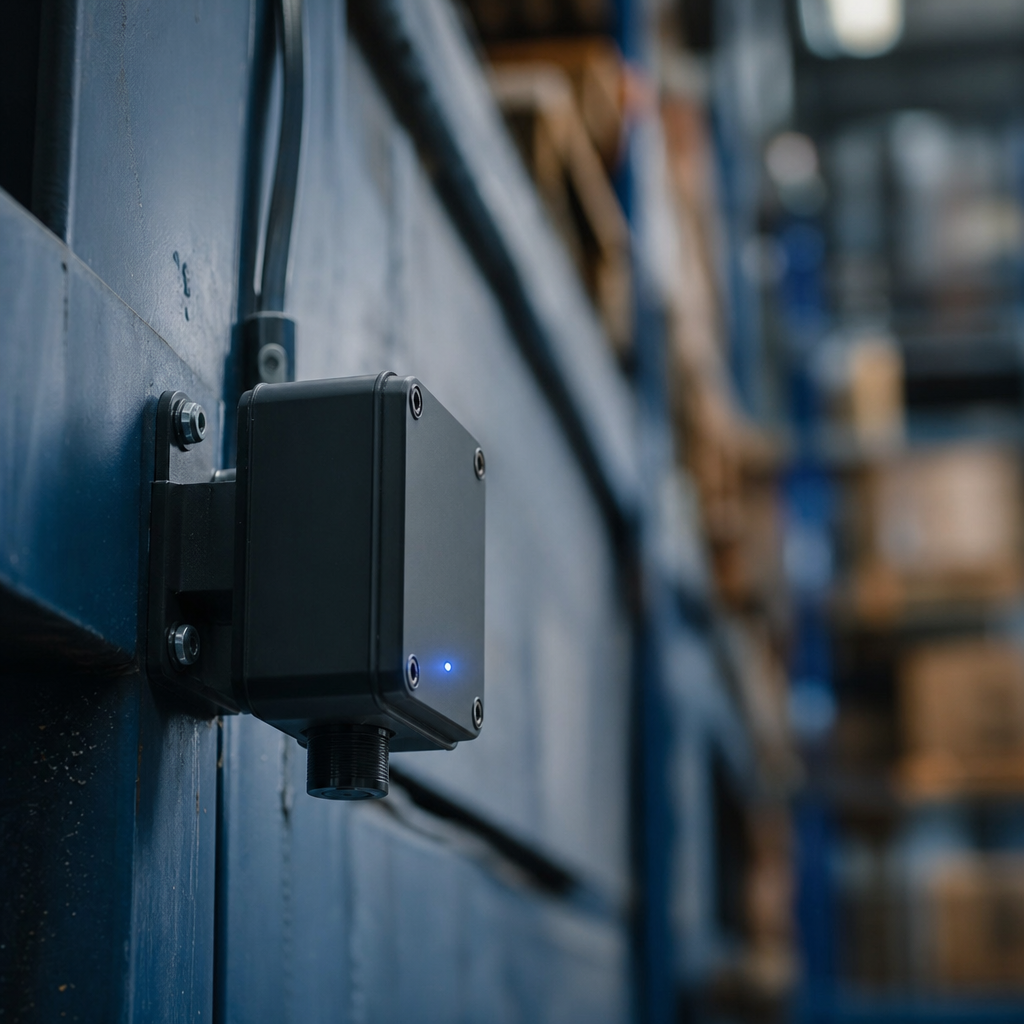
Agentic Asset Intelligence is a category of supply chain platform that does two things visibility platforms cannot do at the same time. First, it captures the physical state of every asset in your operation (every container, every part, every shipment, every load) at a level of accuracy high enough to be trusted without verification. Second, it deploys autonomous AI agents that act on that data before a human has to.
An agent is software that does a job. Not the kind of job a dashboard does, which is telling you something. The kind of job a person used to do: deciding something, then doing it. An autonomous shortage agent watches the inbound parts data and flags a shortage to procurement before the line stops. An autonomous container recovery agent watches the dwell times and triggers a return request before a container becomes a loss. An autonomous exception agent watches the floor data and surfaces the one issue that actually needs a manager’s attention out of the thousand that don’t.
Agentic Asset Intelligence is what supply chain visibility evolves into when the data underneath it is accurate enough for the system to take action on its own.
How it works in your operation
Warehouse or inventory operation
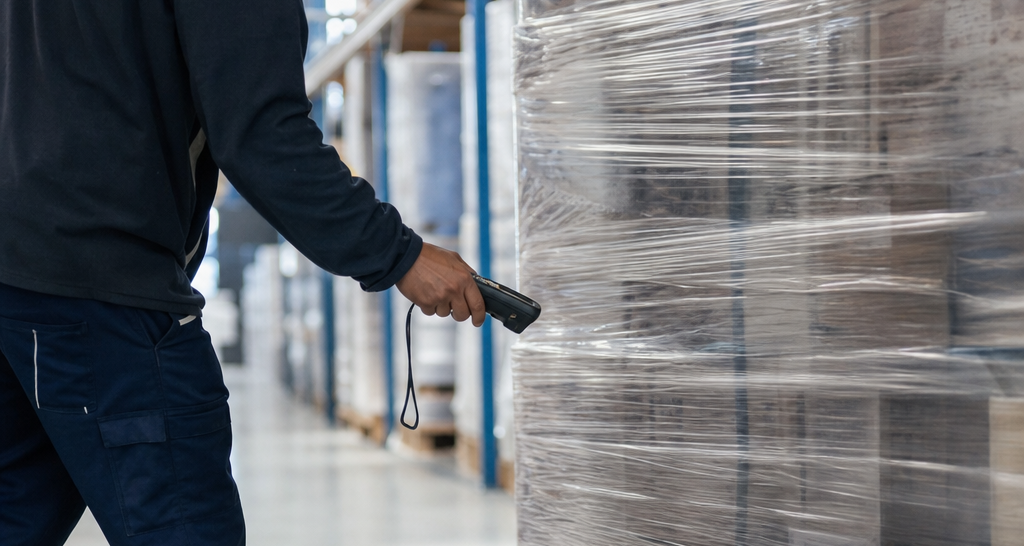
Industry data indicate that non-productive travel and search time account for 30 to 40 percent of total warehouse labor hours. Your team spends a meaningful share of every shift looking for things, verifying counts, walking aisles, and confirming what the system says. Agentic agents close that loop. The cycle count corrects itself in real time. The misplaced pallet surfaces before the picker arrives at the empty bin. The “we’ll go check” conversation disappears because the system has already checked.
Production or logistics
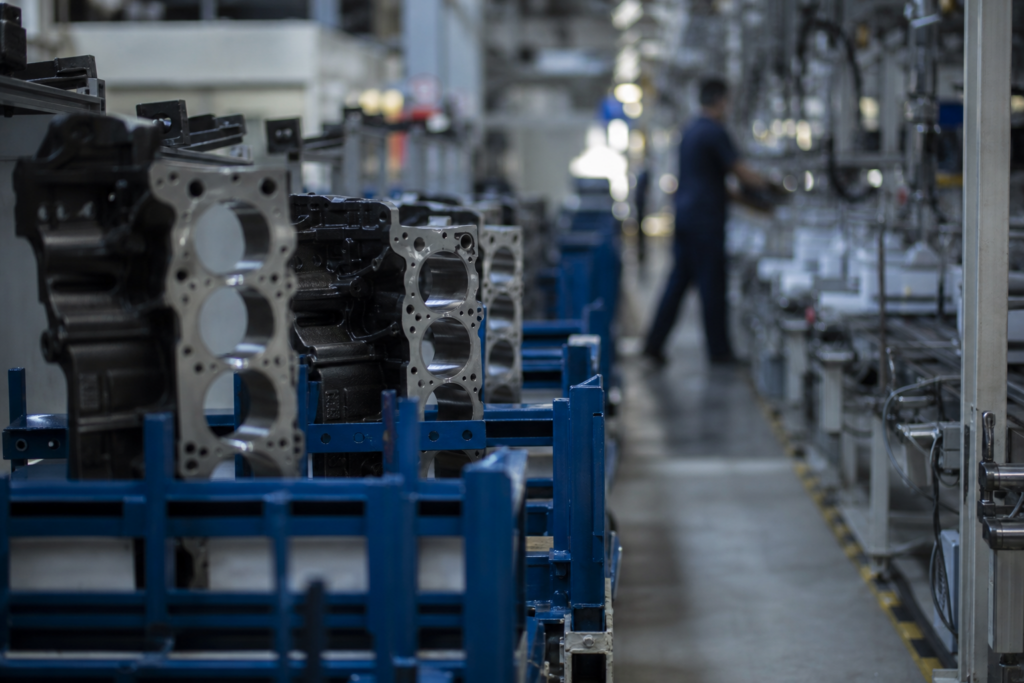
Unplanned downtime in automotive plants now costs $2.3 million per hour. About 23 percent of that downtime is due to human error, most of it stemming from decisions made on imperfect data. Agentic agents reduce that exposure by acting directly on the data. A shortage flags before the line idles. A WIP bottleneck triggers a rebalance before the bottleneck spreads. A finished goods readiness gap surfaces hours before the shipment window closes, not after.
Safety or operations risk
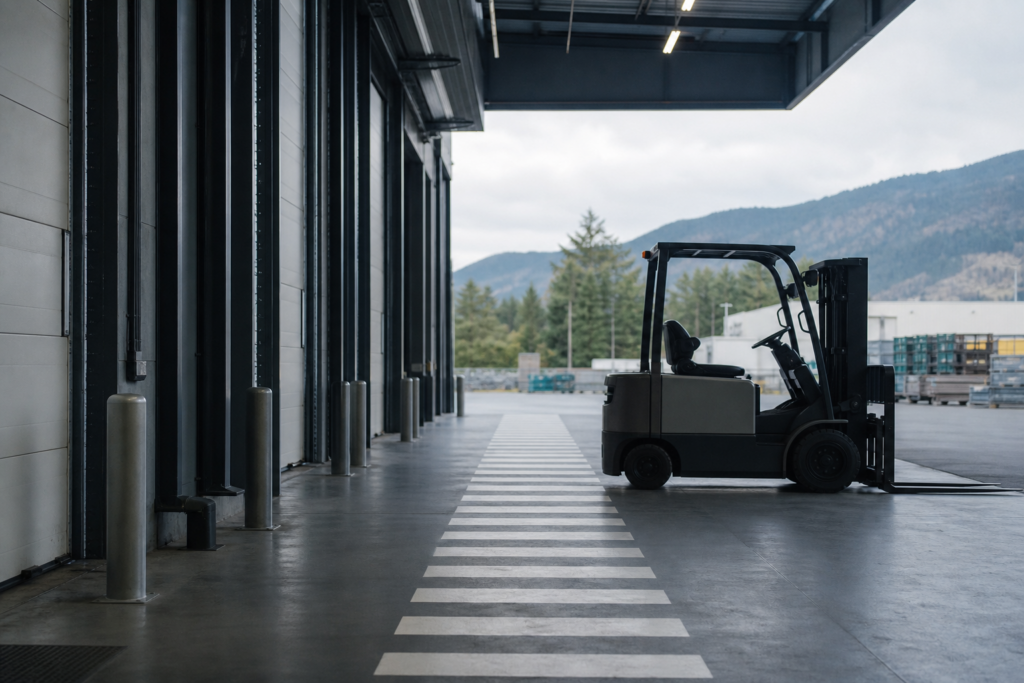
Forklifts alone cause roughly 34,900 serious injuries in the United States every year, and OSHA estimates 70 percent of those incidents are preventable with better awareness and response. Agentic agents change the math. They monitor traffic patterns, dwell zones, and pedestrian interactions in real time. They flag the conditions that precede incidents, not the incidents themselves. The shift from reporting incidents after they happen to monitoring the conditions that cause them lets safety keep up with the floor in real time, rather than documenting it after the fact.
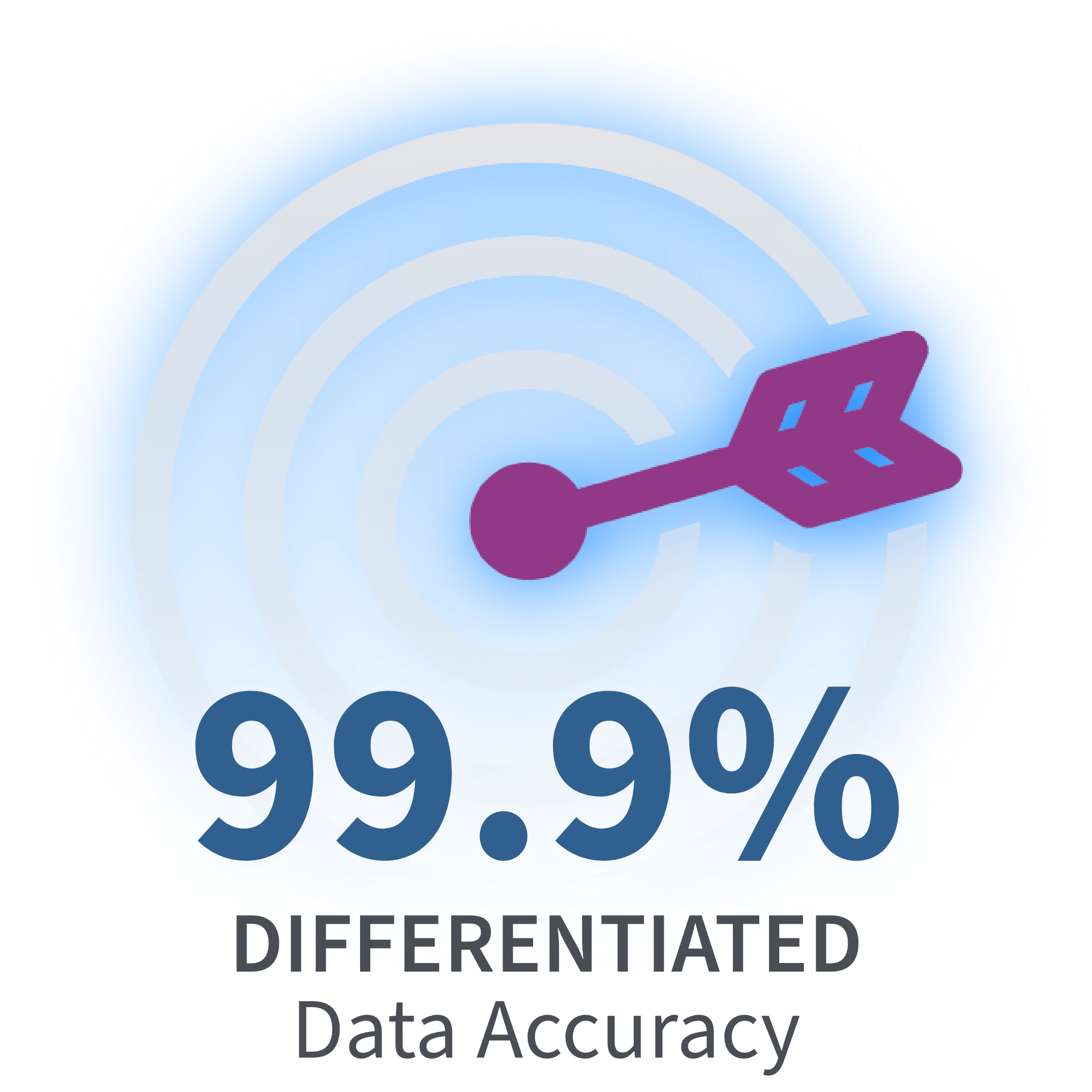
Why 99.9% is the threshold that changes everything
Most visibility platforms operate on data that is 65 to 80 percent accurate. That number is fine for a dashboard. A human looks at it, knows it is roughly right, and uses judgment to fill in the rest. It is not fine for an agent. An agent acting on 80 percent accurate data produces 80 percent accurate decisions, and in supply chain, the 20 percent of decisions that go wrong are the ones that cost money, time, and trust.
99.9 percent accuracy is the line where that math inverts. It is the threshold where the system becomes trustworthy enough to act on without a human verifying first. It is the difference between the system says the part is on dock 4, let’s go check and the system says the part is on dock 4, we’re good.
That accuracy threshold cannot be shortcut by better software. It is built by years of physical sensing infrastructure, validation architecture, and deployment density across enough environments to learn what real operations look like.
99.9% is the line where trust replaces verification.
Surgere has perfected the science of supply chains
Surgere is the company that has spent more than two decades perfecting the engineering science behind physical-world supply chain data. The Interius platform is what Surgere built to deliver it: IoT hardware, data validation architecture, and the Sophia agentic AI layer, all engineered together to meet the specific operating realities of complex global manufacturers.
Interius runs across 2,000+ live operating locations in 31 countries today. Behind it sits more than 15 million IoT transactions processed every day, validated through the data accuracy architecture that delivers the 99.9 percent number.
The proof is in the operations already running on the platform:

$1.6 million in savings recognized in year 1, scaled across 400+ locations since 2015.
$18.7 million in annual savings.

84 million pounds of returnable packaging waste eliminated across 30 facilities.

66.6 percent improvement in load time, scaled from 1 location to 20+.
$700,000 in loss mitigation captured in the first three months of deployment.
$1.6 million in savings recognized in year 1, scaled across 400+ locations since 2015.
$18.7 million in annual savings.
84 million pounds of returnable packaging waste eliminated across 30 facilities.
66.6 percent improvement in load time, scaled from 1 location to 20+.
$700,000 in loss mitigation captured in the first three months of deployment.
These are not pilot results. They are production deployments at some of the most operationally complex companies in the world.
Making Agentic Asset Intelligence a reality
Three engineering disciplines have to come together for Agentic Asset Intelligence to work in a real operation. Surgere has spent two decades engineering each one, and Interius is where they meet.
- Physical-world data, engineered for accuracy. Surgere reads the physical world directly, not the records about it. The IoT hardware, sensor placement, and data validation architecture are engineered to deliver 99.9 percent accuracy at the asset level, not the system level.
- Full lifecycle coverage, inside and outside the four walls. Inbound parts, work in process, finished goods, returnable containers, tooling, and last-mile delivery. Interius covers the entire arc of a manufacturing supply chain, the segments that fixed-network or logistics-only platforms cannot reach.
- Sophia, the agentic AI layer that acts on the data. Sophia is Surgere’s agentic intelligence layer. It runs the autonomous agents that turn 99.9 percent accurate physical-world data into the actions that make your operation work: shortage flags, container recovery, supplier scoring, exception triage, and more.
See Agentic Asset Intelligence working in operations like yours
Surgere works with supply chain leaders across automotive, industrial manufacturing, consumer goods, life sciences, and aerospace. A short conversation typically walks through what your operation currently looks like and what changes when 99.9 percent accurate physical-world data becomes the foundation underneath it.
Rise above uncertainty.
Surgere. Interius. Sophia. The engineering science of the supply chain, made real.

